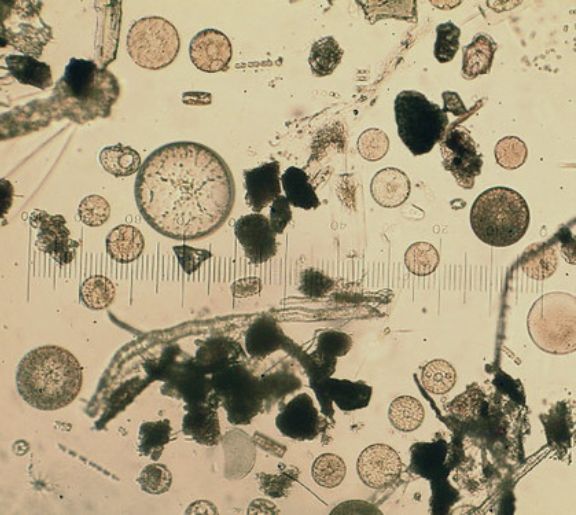
Phytoplankton are microscopic organisms that can be found in both freshwater and marine water environments. These organisms can only float and drift with the motions of the water. A few known types are diatoms, dinoflagellates, and cyanobacteria. Like terrestrial plants, phytoplankton are able to produce their own energy through photosynthesis. The energy will then be passed to other organisms when they are consumed.
Despite their importance, some species are also harmful for the environment and humans. Certain dinoflagellates can cause harmful algal blooms (HABs) that may cause fish mortality and sickness in humans. Phytoplankton are usually consumed by filter-feeding organisms in the ocean ecosystem. A few examples of their consumers are hard corals, zooplankton and marine worms.